Designing Eclectic Interiors With Personality and Purpose
Eclectic interior design allows homeowners to combine different styles, colours, textures, materials, and artistic influences to create a space that feels personal. The challenge is keeping those elements visually connected rather than making a room feel cluttered. Thoughtful layouts, carefully selected statement pieces, practical features, and custom details can help create an interior that is both expressive and comfortable. The following ideas explore ways to bring personality into a home while keeping everyday functionality in mind.
Establish a Strong Foundation Before Adding Character
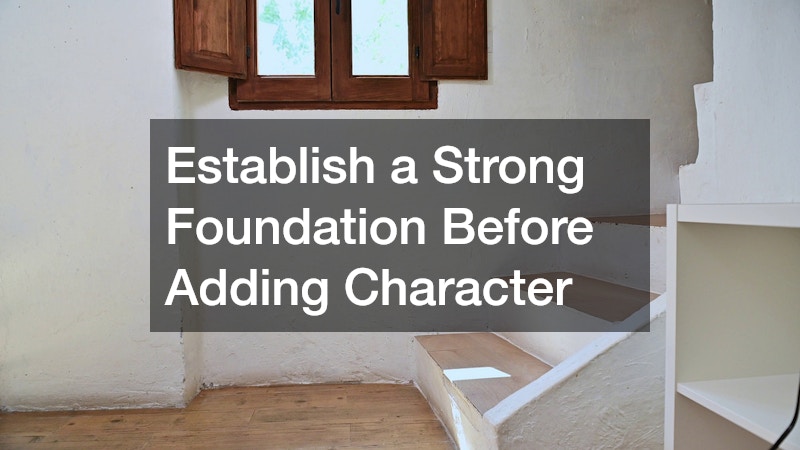
The architectural foundation of a room has a major influence on how successfully an eclectic interior comes together. Before choosing artwork, furniture, or accessories, consider the room’s proportions, ceiling height, flooring, windows, natural light, and existing architectural details. These elements establish the backdrop against which more expressive design choices will appear.
For homeowners building or substantially changing a property, a home builder can help create spaces that accommodate distinctive design ideas from the beginning. Built-in shelving, unusual room proportions, statement ceilings, wide openings, and carefully positioned electrical outlets can all provide greater flexibility later.
Before decorating, consider:
- How furniture will move through each room
- Where the primary focal point should be
- Which walls can accommodate artwork
- How much storage the space requires
- Where natural and artificial light will come from
- Which architectural features should remain visually prominent
It is also useful to establish a basic furniture layout before purchasing decorative pieces. A room needs enough open space for people to move comfortably. Without that foundation, even beautiful furnishings can make an interior feel crowded.
Neutral architectural elements can provide an especially useful canvas for eclectic decorating. Simple walls, understated flooring, and restrained permanent finishes allow artwork, furniture, textiles, and accessories to provide much of the personality without competing with one another.
Combine Different Styles Without Losing Cohesion
Eclectic design works because contrasting elements are connected by something they have in common. That connection might be colour, material, shape, scale, pattern, or even the emotional quality of the objects being displayed. Without a unifying element, combining too many unrelated styles can make a room feel accidental rather than curated.
Start by identifying a few characteristics that can repeat throughout the space. For example, several pieces might share warm wood tones even if they come from completely different design periods. Alternatively, a consistent colour palette can connect contemporary furniture with vintage accessories and traditional artwork.
When rearranging an existing home, consider:
- Moving furniture between rooms
- Grouping pieces according to scale
- Removing items that compete for attention
- Repeating selected colours
- Mixing old and new furnishings
- Leaving open space around statement pieces
A local moving company can also be useful during a major redesign when large furniture needs to be relocated safely while rooms are being reorganised. Moving pieces rather than immediately replacing them can reveal combinations that were not previously apparent.
The goal is not to make every item match. Instead, create relationships between pieces so that differences feel deliberate. Repetition provides continuity, while contrast gives the room its character.
Use Rugs to Connect Contrasting Furniture
A rug can act as an anchor that visually connects furniture, artwork, and accessories that might otherwise seem unrelated. In an eclectic interior, this makes rugs particularly useful because they can introduce another layer of colour, pattern, texture, and history.
An oriental rug can provide a strong foundation for a room containing modern, vintage, or handmade furniture. Its pattern may introduce colours that can be repeated in cushions, artwork, curtains, or smaller decorative objects. The rug does not have to match everything around it. Instead, it can provide one of the visual threads that ties contrasting elements together.
When choosing a rug, think about:
- The dimensions of the seating arrangement
- The colours already present
- The amount of pattern in the room
- Expected foot traffic
- Ease of maintenance
- The visual weight of surrounding furniture
Scale is particularly important. A rug that is too small can make furniture arrangements appear disconnected, while an appropriately sized rug can make separate pieces feel like one composition.
Layering rugs can also create an interesting effect, but patterns should be selected carefully. If both rugs are highly detailed, they may compete rather than complement one another. A patterned rug paired with a simpler textured layer can provide contrast without visual overload.
Introduce Interesting Materials Through Custom Pieces
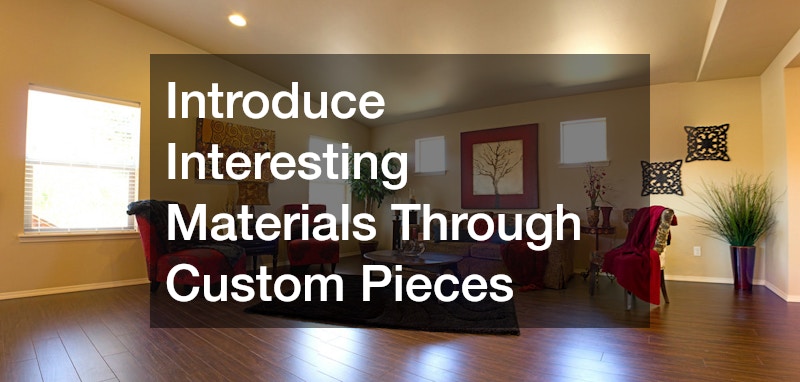
Material contrast is one of the easiest ways to make an eclectic interior feel artistic. Smooth surfaces can be paired with rough textures, natural materials can sit alongside manufactured ones, and transparent elements can contrast with heavier forms.
Resin is particularly versatile for decorative applications. Depending on how it is prepared, it can create transparent, coloured, layered, glossy, or textured effects. Virgin resin sales may therefore be relevant when sourcing material for custom furniture, artwork, decorative panels, or other creative interior features.
Rather than using an unusual material everywhere, select one or two areas where it can become a focal point. A custom tabletop, decorative object, shelving detail, or artistic panel can provide enough visual interest without overwhelming the rest of the room.
Consider these factors when introducing unconventional materials:
- Intended use of the finished piece
- Durability requirements
- Maintenance needs
- Compatibility with surrounding materials
- Desired texture and finish
- Amount of visual attention the piece should receive
Combining resin with wood, metal, stone, or glass can produce especially distinctive results. The contrast between materials can make an otherwise simple object feel more artistic.
Control Natural Light Without Losing Visual Interest
Natural light can completely change how an eclectic interior looks throughout the day. Colours may appear warmer or cooler, patterns can become more prominent, and reflective surfaces may create unexpected highlights. Controlling that light allows homeowners to protect furnishings while maintaining the atmosphere they want.
Window shades can provide practical control over brightness and privacy while also contributing to the design. Their colour, texture, and opacity can either blend into the room or become another visual element.
When selecting treatments, consider:
- The direction each window faces
- How much sunlight enters the room
- Privacy requirements
- Artwork and furniture near windows
- Desired levels of natural illumination
- How the treatment looks when fully open
Light control is particularly important around rugs, artwork, fabrics, and other decorative materials that may be affected by prolonged sunlight. At the same time, completely blocking natural light can make an otherwise vibrant room feel flat.
Layering different types of lighting can help solve this problem. Natural daylight can provide the foundation, while lamps, pendants, wall fixtures, and accent lighting can maintain the room’s character after sunset.
Edit Clutter Before Displaying Decorative Pieces
Before bringing additional furniture or accessories into a room, evaluate what is already there. Items that are damaged, rarely used, or no longer fit the home’s design can distract from pieces that genuinely matter.
During a major redesign, junk removals can help clear unwanted household items and create a cleaner starting point. Once unnecessary possessions are removed, it becomes easier to see which furniture, artwork, and decorative objects deserve a place in the finished space.
A useful editing process can include:
- Keeping meaningful pieces
- Relocating items to another room
- Repairing valuable damaged objects
- Donating usable possessions
- Removing items with no practical or decorative purpose
- Rotating seasonal collections
Leaving negative space around statement objects can make them more noticeable. A striking sculpture or piece of artwork often has greater impact when it has room to breathe.
Storage is equally important. Closed cabinets, baskets, drawers, and built-in storage can keep everyday necessities from competing with the room’s artistic elements. The result is an interior that feels expressive without becoming visually exhausting.
Add Custom Shapes and Patterns to Key Areas
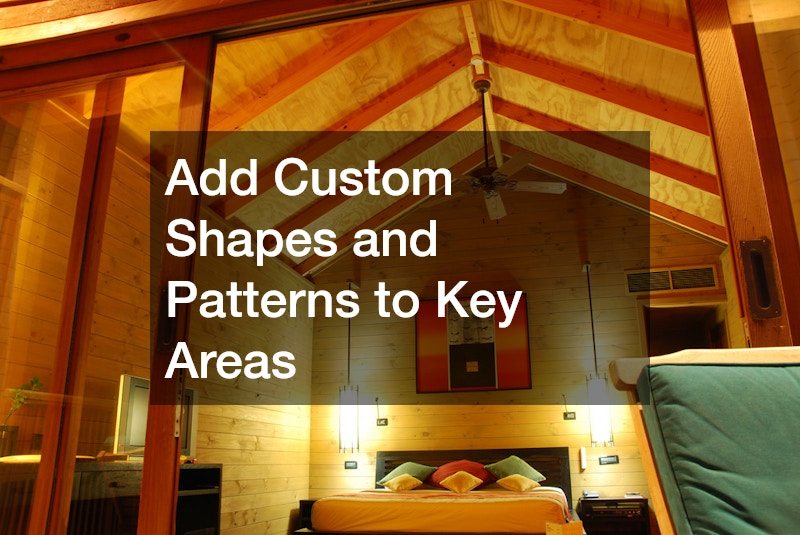
Custom-designed elements can give an eclectic interior a sense of individuality that is difficult to achieve with mass-produced furnishings. They can also be used to respond to unusual dimensions, awkward spaces, or specific artistic preferences.
A local laser cutting service may be able to produce precisely shaped decorative components for applications such as wall panels, screens, room dividers, artwork, furniture details, or custom signage. Intricate geometric patterns can add another layer of visual interest without requiring a large amount of furniture or decoration.
When planning a custom feature, consider:
- The scale of the pattern
- The viewing distance
- The available wall or floor area
- The surrounding colours
- The material being cut
- How the piece will be installed
One carefully designed feature can often make a stronger impression than numerous smaller decorative elements. For example, a patterned divider could separate areas within an open room while simultaneously functioning as artwork.
Incorporate Handcrafted Metalwork for Visual Contrast
Metal can introduce structure and visual weight into a room filled with softer materials. It works particularly well in eclectic interiors because it can bridge different styles. A simple metal frame might complement contemporary furniture, while an aged or sculptural finish can work alongside vintage furnishings.
A welding service can create custom metal components for furniture, shelving, tables, room dividers, display stands, or decorative artwork. Custom fabrication allows homeowners to select dimensions and forms that fit their particular space instead of adapting the room around standard products.
Metalwork can be balanced with softer or warmer materials such as:
- Upholstered furniture
- Natural wood
- Woven textiles
- Wool rugs
- Curtains
- Plants
Finish also affects the overall impression. Smooth metal can look sleek and contemporary, while textured or aged finishes can provide more rustic or industrial character.
The strongest interiors generally use metal selectively. A custom coffee table frame, sculptural railing, or open shelving system may provide enough contrast without turning the entire room into an industrial environment.
Design Lighting Around Art and Everyday Activities
Lighting should make a room functional while also helping its artistic elements stand out. Instead of relying on one overhead fixture, consider several layers that serve different purposes.
Ambient lighting provides general illumination, task lighting supports activities such as reading or working, and accent lighting can draw attention to artwork, sculptures, architectural details, or distinctive furniture.
When electrical changes are required, certified electricians can help with installations, additional outlets, switches, and specialised lighting requirements. Planning these elements properly can prevent extension cords and poorly positioned fixtures from disrupting the appearance of an otherwise carefully designed space.
Consider:
- Where people read, work, cook, or relax
- Which artwork deserves emphasis
- Whether fixtures create glare
- Whether dimming would be useful
- How lighting looks at different times
- Whether different fixtures have compatible colour temperatures
The most effective lighting plan balances appearance with usability. A beautiful room still needs to be comfortable for everyday activities. Layered lighting gives homeowners more control over the atmosphere and allows the same space to shift from bright and energetic during the day to intimate and relaxed in the evening.
Create Personality While Keeping Everyday Needs in Mind
An eclectic interior should reflect the people who live there, but personal expression should never come at the expense of comfort, safety, or functionality. Every household has different requirements, so the final design should respond to how each room is actually used.
Furniture for children provides a good example. A local baby furniture store can be a practical resource when furnishing a nursery or adding child-focused pieces while maintaining an established design aesthetic. Safety, durability, storage, and comfort should all remain important considerations.
Throughout the home, ask whether each design choice supports everyday life. Consider:
- How frequently furniture will be used
- Whether fabrics are easy to maintain
- Where everyday belongings will be stored
- Whether walkways remain clear
- How easily rooms can adapt to changing needs
- Which pieces have genuine personal meaning
Eclectic interiors do not need to look perfectly polished at all times. In fact, signs of real life can contribute to their personality. The key is giving everyday items appropriate places so they do not overwhelm the artistic features.
A home should evolve as its occupants’ needs change. Furniture can be rearranged, artwork can be rotated, and decorative pieces can move between rooms. This flexibility keeps the interior personal while allowing the design to remain useful for years to come.
A successful eclectic interior balances creativity with practicality. By combining contrasting styles thoughtfully, editing clutter, incorporating distinctive materials, and planning around everyday needs, homeowners can create spaces that feel artistic without becoming overwhelming. The most meaningful interiors are those that reflect personal taste while remaining comfortable, functional, and adaptable.