Using Crafts to Create Memorable Experiences
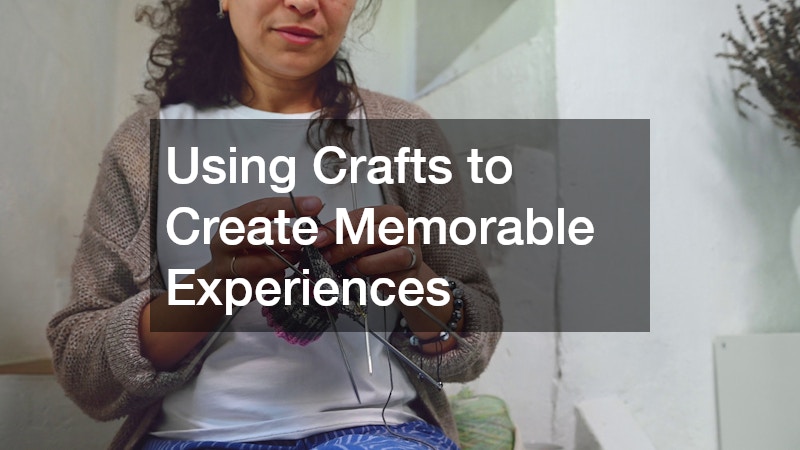
Crafts have always been more than decorative extras. When used intentionally, they become tools for shaping emotion, guiding interaction, and creating moments people remember long after the experience ends. In a world saturated with screens and mass-produced visuals, handmade and tactile elements stand out because they feel human and personal. They slow people down, invite curiosity, and create space for meaningful engagement in ways digital experiences often cannot.
What makes crafts especially powerful is their versatility. They can be subtle or bold, functional or symbolic, temporary or permanent. A small handcrafted detail can quietly influence how someone feels in a space, while an interactive craft experience can become the highlight of an entire visit. These moments matter because memory is emotional by nature. People don’t remember every detail of an experience, but they remember how it made them feel, and crafts are uniquely suited to shape that emotional response.
This article explores how crafts can be used strategically to create memorable experiences across a wide range of settings. Rather than focusing on theory alone, the discussion centers on practical, actionable ways to design, implement, and refine craft-driven experiences. You’ll learn how to think intentionally about materials, interaction, personalization, and atmosphere, and how small design choices can have a lasting impact. Whether you’re working on a physical space, an event, or an interactive installation, the goal is the same: to make people feel something worth remembering.
Designing Experiences That Engage the Senses
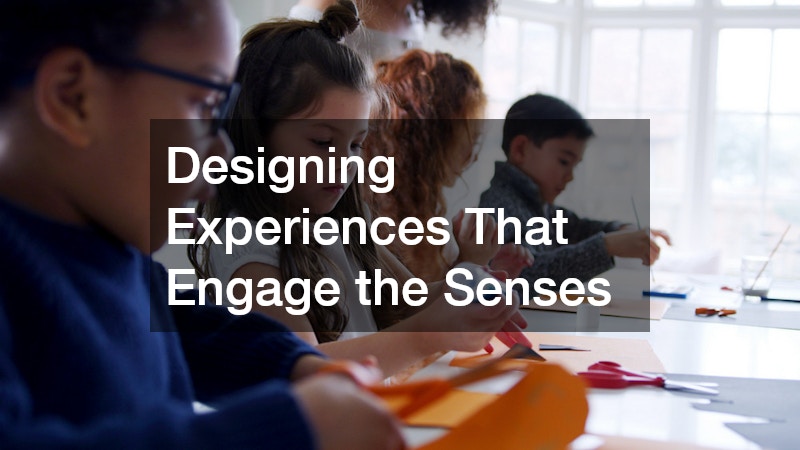
Memorable experiences rarely rely on visuals alone. The most effective craft-based environments engage multiple senses at once, creating layers of stimulation that feel immersive rather than overwhelming. Texture, temperature, weight, sound, and even subtle movement all play a role in how people perceive and remember a space. When these elements work together, they create a sense of depth that encourages people to slow down and explore.
When planning sensory engagement, start by defining the emotional outcome you want. Calm, curiosity, excitement, and comfort each require different material choices and levels of interaction. Crafts work best when they invite touch or close observation without demanding too much effort from the participant. Overly complex interactions can create friction, while simple, intuitive designs feel welcoming.
In learning-focused environments like preschools, sensory-rich crafts help reinforce curiosity and emotional regulation. Soft textiles, rounded wooden forms, and low-contrast color palettes encourage hands-on exploration without overstimulation. Wall-mounted interactive panels, simple weaving frames, or movable felt shapes allow children to engage physically while remaining within a structured environment. These elements also support fine motor development and independent discovery.
In quieter, reflective spaces such as meditation studios, sensory engagement should be intentionally restrained. Natural fibers, hand-thrown ceramics, or textured wall hangings provide grounding without distraction. The key is subtlety: crafts should support focus and presence rather than pull attention away from the intended experience. Even small variations in texture or material can have a calming effect when used thoughtfully.
Actionable tips for sensory-driven craft design:
-
Choose materials that invite touch but age well with frequent handling
-
Test textures and sounds in the actual space, not just in isolation
-
Limit the number of sensory elements to avoid cognitive overload
-
Align material choices with the emotional goal of the environment
Turning Live Craft Into a Shared Moment
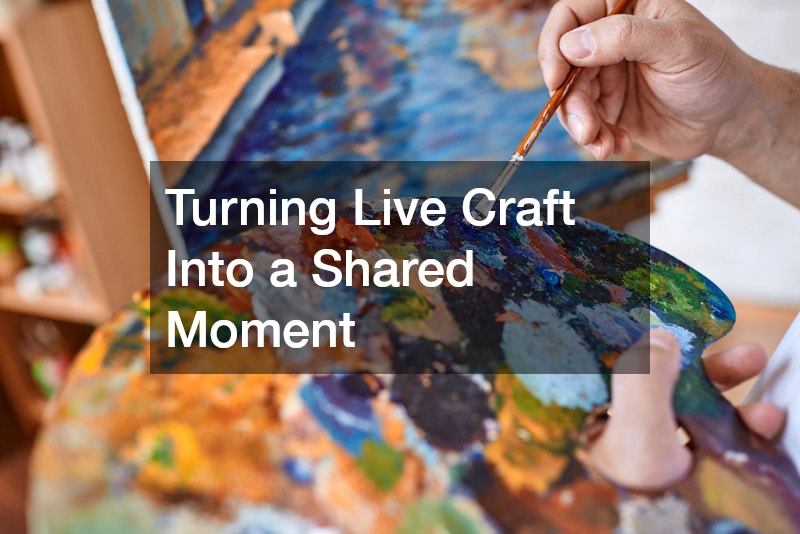
Live creation adds a layer of energy that static displays can’t replicate. Watching something take shape in real time builds anticipation and gives participants a sense of inclusion. Crafts created in front of an audience feel more authentic because the process is visible, not hidden. People are naturally drawn to movement and transformation, which makes live crafting an effective way to capture attention even in crowded or noisy environments.
The most successful live craft experiences balance skill with accessibility. People don’t need to understand every technique to appreciate the work, but they do need clear visual cues and moments of progress. Breaking the process into visible stages helps maintain engagement, especially in busy or high-traffic environments. When viewers can quickly identify where the work started and where it’s headed, they’re more likely to stay and observe longer.
For artists such as painters, live work can be structured to invite participation without sacrificing artistic control. This might include letting viewers vote on color directions, adding small details, or observing scheduled progress points throughout the day. These moments of interaction give audiences a sense of involvement while preserving the integrity of the final piece, turning creation into a shared journey rather than a passive viewing.
In event-driven environments like trade show booths, live crafting can act as both an attraction and a conversation starter. Short, repeatable demonstrations work best, allowing new viewers to join without feeling lost. Clear signage and defined interaction windows help manage flow while keeping the experience approachable. Staff or creators who narrate parts of the process can further increase engagement by helping viewers understand what they’re seeing in real time.
Best practices for live craft setups:
-
Design the process to reset easily between sessions
-
Use elevated or well-lit work surfaces for visibility
-
Set clear boundaries for audience participation
-
Keep tools organized and visually tidy to reduce distractions
Personalization as a Memory Anchor
Personalized crafts create a sense of ownership that dramatically increases emotional attachment. When someone sees their name, choice, or story reflected in an object, the experience shifts from generic to meaningful. This personal connection is often what transforms a moment into a lasting memory. It signals care and attention, showing that the experience was designed for an individual rather than a crowd.
Effective personalization doesn’t have to be complex to be impactful. Small, thoughtful details often carry more emotional weight than elaborate customization that slows the process or overwhelms the participant. The key is to make personalization feel intentional and human, not automated or rushed. Even limited options can feel special when they’re presented clearly and handled with care.
Techniques like plaque engraving allow for elegant personalization that feels permanent and considered. Names, dates, or short messages can be integrated into crafted objects without overpowering the design. Planning these details early ensures they feel cohesive, balanced, and purposeful rather than added at the last minute.
In retail environments such as wig shops, personalization can be woven into the broader experience. Customized displays, care tags, or packaging elements reinforce attentiveness and empathy, helping customers feel seen and understood. These touches strengthen trust and brand loyalty without relying on overt selling tactics.
Tips for scalable personalization:
-
Limit choices to avoid decision fatigue
-
Prepare templates that still allow meaningful variation
-
Collect personalization details early in the interaction
-
Build buffer time for quality checks before final delivery
Creating Atmosphere Through Crafted Details
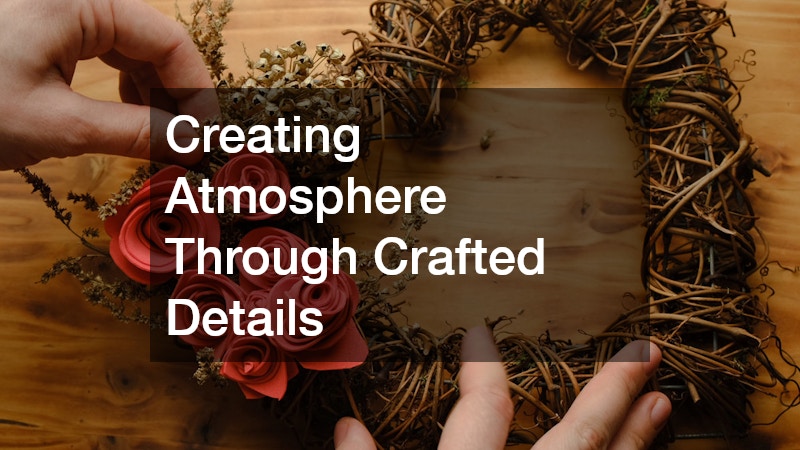
Atmosphere shapes expectations before any interaction begins. Crafted details play a powerful role in signaling what kind of experience someone is about to have. From the moment a person enters a space, materials, colors, and forms begin telling a story, setting the emotional tone and framing what’s to come. These subtle cues help visitors feel welcomed, oriented, and emotionally prepared.
Consistency is critical for maintaining a cohesive atmosphere. Crafts should align with the purpose of the space and reinforce its emotional tone. Mixing styles or materials without a clear intention can dilute the impact, confuse visitors, and undermine the intended mood. When every detail works in harmony, the space feels thoughtfully designed and inviting.
In celebratory settings like a wedding venue, crafted elements often serve as emotional anchors. Hand-lettered signage, textile backdrops, or custom table elements contribute to a sense of intimacy and care. These handcrafted touches elevate the environment by adding warmth and personality without overpowering the event itself. They create memorable visuals that guests associate with joy and connection.
In more sensitive environments such as pediatric dentist offices, crafted details can reduce anxiety and build trust. Friendly illustrations, soft textures, and approachable handmade décor help shift focus away from fear and toward comfort. The goal is reassurance rather than overstimulation, supporting a calm, safe atmosphere that encourages positive experiences.
Guidelines for atmosphere-driven craft design:
-
Choose a limited material palette and repeat it consistently to unify the space
-
Prioritize durability for high-touch or high-traffic areas to maintain appearance over time
-
Test the visibility of crafted elements from multiple entry points to ensure impact
-
Ensure crafted details support, not distract from, the core functions and flow of the environment
Interactive Keepsakes That Extend the Experience
Experiences don’t end when someone leaves a space. Physical keepsakes act as memory triggers, reconnecting people to how they felt in the moment. Well-designed interactive crafts turn visitors into participants and extend emotional impact beyond the original setting.
The most effective keepsakes are simple to create but meaningful to keep. They should feel intentional rather than promotional, offering a genuine reminder of the experience rather than a branded afterthought.
Interactive stations using wax hands equipment create instant engagement through novelty and personalization. The process is quick, visual, and tactile, making it easy for participants to connect emotionally. The resulting keepsake is both playful and memorable, reinforcing the experience long after it ends.
In more solemn contexts, crafts associated with casket sprays must be handled with care and respect. Keepsakes in these settings should focus on remembrance and emotional support, using gentle materials and understated design. The craft becomes a quiet companion to the experience rather than a focal point.
Best practices for meaningful keepsakes:
-
Keep creation time under five minutes when possible
-
Use materials that travel well and resist damage
-
Provide simple packaging for protection
-
Consider the emotional tone of the setting before finalizing designs
Measuring Impact and Refining Craft Experiences
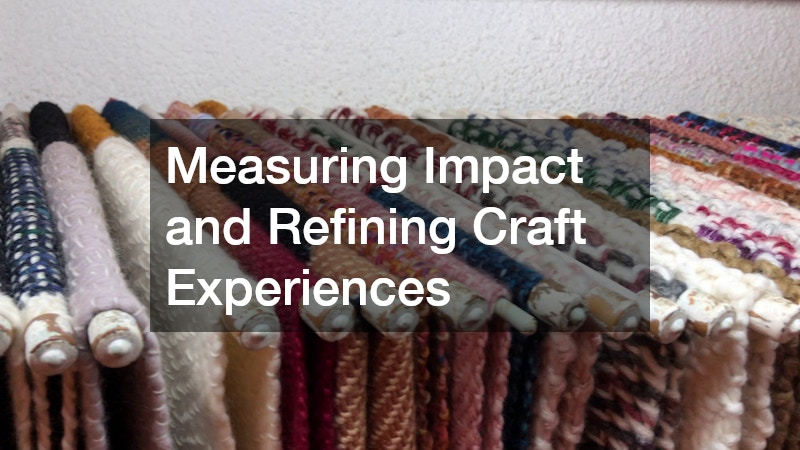
Craft-based experiences should evolve over time. Measuring their impact is essential for identifying what resonates with participants and what may need adjustment or refinement. While emotional response isn’t easily quantified, meaningful patterns emerge through careful observation, feedback, and data collection, enabling continuous improvement.
Start by defining success metrics that closely align with your goals for the experience. These might include engagement time, repeat visits, social sharing, and verbal feedback. It’s important to pay attention not only to what people say but also to nonverbal cues—how they move through the space, where they pause, and how they interact physically with crafted elements. These behaviors often reveal insights that words alone cannot.
Refinement typically involves subtraction rather than addition. Removing underused or distracting components can sharpen focus and improve the overall flow and emotional impact. Maintaining detailed documentation of setups, material choices, and participant reactions ensures that successful approaches can be replicated and adjusted thoughtfully in future projects.
Ways to evaluate and improve include:
-
Tracking dwell time near crafted features to understand engagement patterns
-
Collecting informal feedback through casual conversations to gather candid insights
-
Photographing setups to assess visual clarity and spatial relationships
-
Testing one change at a time to isolate its effects and measure impact accurately
This systematic approach encourages thoughtful iteration and helps create more memorable and effective craft-driven experiences over time.
Crafts hold a unique power to transform ordinary moments into lasting memories. By intentionally integrating handcrafted elements into spaces and experiences, creators can shape emotional responses, foster connection, and invite deeper engagement. Whether through sensory-rich materials that encourage exploration, live crafting that draws people into a shared creative journey, or personalized keepsakes that carry meaning far beyond the initial encounter, crafts offer versatile tools for making experiences truly memorable.
The key lies in thoughtful design and purposeful implementation. Every detail—from the choice of texture and color to the timing of interaction and the nature of personalization—contributes to a cohesive atmosphere that resonates emotionally. This careful curation not only enhances immediate engagement but also strengthens long-term recall by anchoring memories in tangible, sensory-rich moments.
Moreover, the ability to measure and refine these craft-driven experiences ensures they evolve to meet audience needs more effectively over time. Observing how people interact, listening to feedback, and adjusting elements thoughtfully can deepen impact and maintain relevance.
In a world increasingly dominated by digital and mass-produced content, crafts remind us of the value of the human touch. They create space for curiosity, comfort, and connection—qualities that make experiences stand out and stay with us. Embracing crafts as strategic tools invites us to slow down, engage meaningfully, and leave impressions that endure well beyond the moment.